
8 underlying threats of consuming coffee in the wrong way
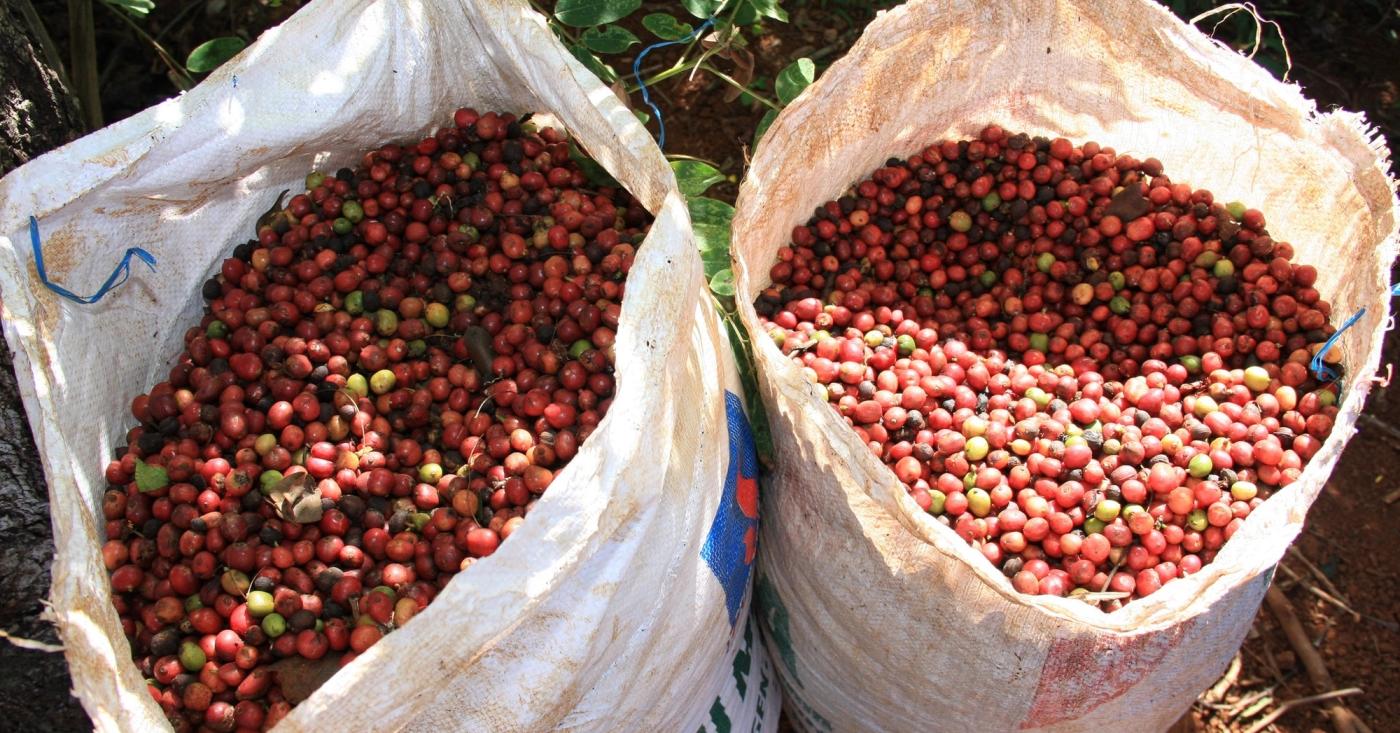
Here are 8 underlying threats of consuming coffee in the wrong way:
1. Elevated Cholesterol Levels and Atherogenic Risk:
Drinking unfiltered coffee (such as French press or boiled coffee) is strongly atherogenic and can increase total cholesterol levels. This is because preparation methods that do not use a paper filter fail to remove diterpenes (cafestol and kahweol), which inhibit bile acid synthesis and disrupt lipid catabolism in the liver.
Looking for alternative Coffee brewing?
Reimagine your Coffee brewing in a total renovated and modern way with our Vietnamese Phin Filter
See Alternatives
2. Increased Anxiety and Cardiovascular Overstimulation:
Consuming high doses of caffeine, often defined as 400 mg or more per day (approximately 4 cups of brewed coffee), can increase anxiety, nervousness, and temporarily speed up heart rate, especially in individuals sensitive to caffeine. Toxic symptoms such as tremors, restlessness, and rapid heart rate may occur at doses around 1 gram.

3. Sleep Disturbances:
Caffeine intake, particularly when consumed later in the day or close to bedtime, can interfere with quality sleep. Caffeine achieves this by blocking the effects of adenosine, a hormone responsible for deep sleep, and can also cause a drop in melatonin levels.
4. Risk to Fetal Development:
High caffeine intake during pregnancy (above the recommended limit of 200 mg per day) can lead to prolonged high caffeine blood levels in the fetus, which may increase the risk of miscarriage and low birth weight due to reduced blood flow and oxygen levels crossing the placenta.
5. Gastrointestinal Distress and Reflux:
Caffeinated coffee consumption may aggravate heartburn or reflux symptoms. Additionally, high caffeine intake may increase urinary symptoms such as frequency and urgency.
6. Developing Withdrawal Symptoms:
Individuals who consume caffeine regularly may develop a physiological tolerance; if they suddenly cease consumption, they may experience withdrawal symptoms. These symptoms commonly include headache, irritability, fatigue, and depressed mood.
7. Bitter, Harsh Flavor Profile:
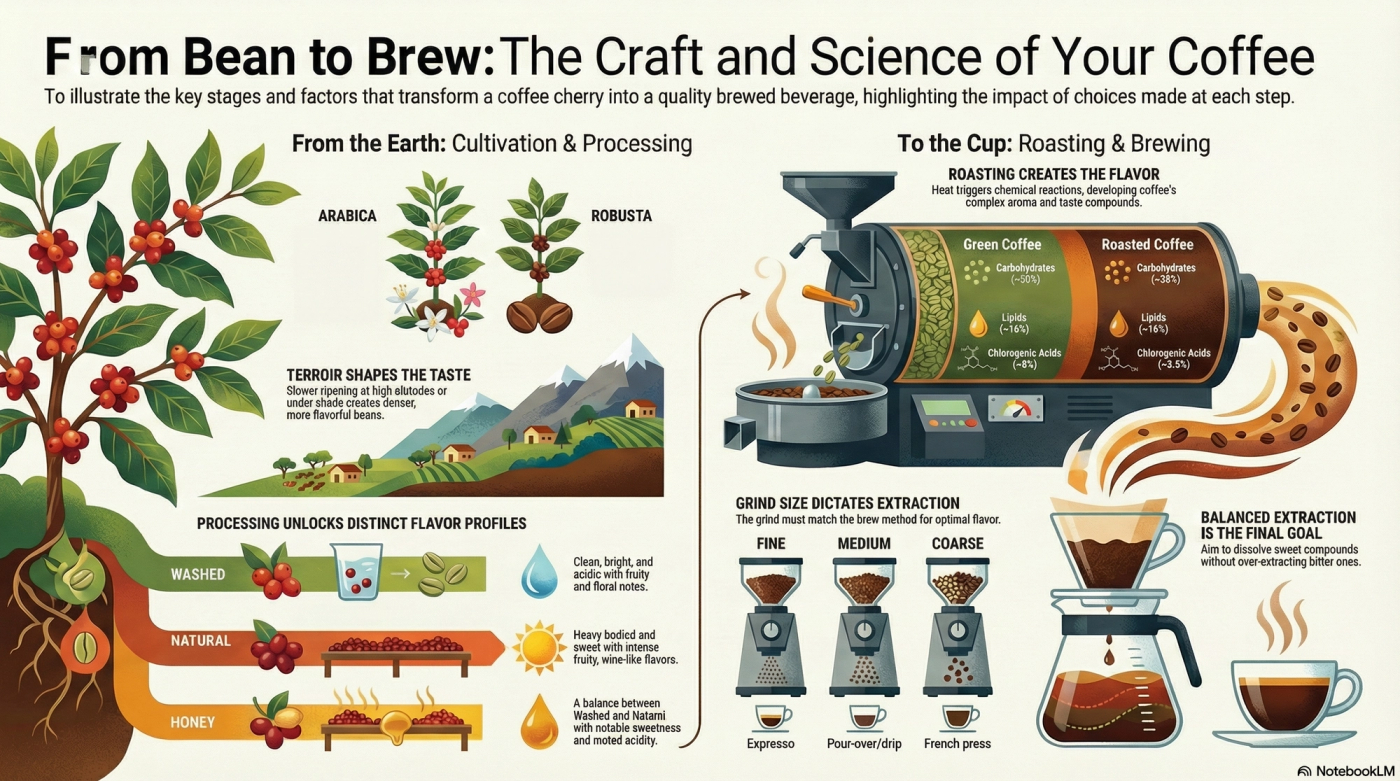
Using a grind size that is too fine or allowing the water contact time to be too long during brewing results in over-extraction. This process prematurely dissolves unpleasant compounds, resulting in a bitter, harsh, or muddy flavor.
8. Sour, Weak Flavor Profile:
Conversely, using a grind size that is too coarse allows the water to pass through the coffee too quickly, leading to under-extraction. This results in a sour, weak, or underdeveloped flavor because there was insufficient time to extract the desirable flavor compounds.
The most healthy way to consume coffee involves optimizing preparation methods, controlling daily intake, choosing beans strategically, and avoiding detrimental additives. Moderate consumption is consistently associated with positive health outcomes.Here is a summary of the healthiest ways to consume coffee, drawing on specific findings regarding health and preparation:1. Prioritize Filtered Coffee PreparationThe single most critical factor determining the cardiovascular health consequences of coffee consumption is the preparation method, particularly regarding filtration.
• Avoid Unfiltered Methods: Consuming unfiltered coffee (such as French press, Turkish, or boiled coffee) is strongly atherogenic and can increase total cholesterol levels. This risk is due to high concentrations of diterpenes (cafestol and kahweol) that are extracted during these methods. These diterpenes inhibit key hepatic enzymes necessary for bile acid synthesis, disrupting normal lipid catabolism and leading to elevated total cholesterol.•
Choose Filtered Methods:
Filtered coffee preparation methods, such as drip or pour-over, use a paper filter that retains these oily diterpenes. Because filtered coffee is essentially devoid of cafestol and kahweol, it exerts antiatherogenic properties, partly through the influence of phenolic acids. Filtering the coffee is essential to managing cholesterol levels.2. Adhere to Moderate Consumption LimitsTo maximize benefits while avoiding risks, moderate intake levels are recommended:
• Healthy Adults:
For healthy, non-pregnant adults, the U.S. Food and Drug Administration (FDA) considers 400 milligrams of caffeine per day to be a safe amount, equating to approximately 4 cups of brewed coffee.
• Maximizing Benefits:
Consumption within a moderate range (typically 3 to 5 cups per day) is consistently associated with beneficial outcomes, including reduced overall mortality and a lower risk of chronic diseases such as cardiovascular disease, type 2 diabetes, and neurological disorders.
• Vulnerable Populations:
Pregnant women should limit their caffeine intake to 200 mg a day. Children under age 12 should avoid consuming caffeine, and adolescents 12 and older should limit intake to no more than 100 mg daily.• Avoid Toxicity: Toxic symptoms, such as restlessness, nervousness, tremors, and rapid heart rate, may occur at doses around 1 gram (1,000 mg) of caffeine.3. Be Mindful of Timing and Additives
• Sleep Quality:
Minimize caffeine intake later in the day or close to bedtime, as it can interfere with achieving quality sleep.• Limit Additives: The addition of sugar and cream to coffee may attenuate its positive health effects.4. Consider Bean Type and Roast LevelThe choice of coffee species and roast level can influence the content of specific bioactive compounds:
• Antioxidants (Chlorogenic Acid):
Robusta coffee naturally contains more chlorogenic acid (a potent antioxidant) than Arabica coffee. Some studies suggest this higher antioxidant content means Robusta could potentially be a healthier choice. Furthermore, for maximizing chlorogenic acid, light roasting retains far more of this compound than dark roasting.
• Caffeine Content by Volume:
If using a measure based on volume (e.g., a scoop), dark roasts contain the lowest actual caffeine content because the prolonged heating process causes them to expand, making them less dense.
The Skeptic Who Became an Advocate: A specialty coffee professional approached our booth with visible skepticism. "I've tried Vietnamese robusta before—it's always harsh and one-dimensional." We poured him VietCyclo's fine robusta, black, no sugar. His expression shifted from doubt to surprise to genuine delight. "Wait. This is... clean? Complex? How?" He stayed for 45 minutes, asking questions, taking notes, and left with a bag of beans and a promise to feature Vietnamese coffee at his café. That's the power of quality speaking for itself.
See the products that rocked Nottingham
Written by
Viet80s Team